Research-use material
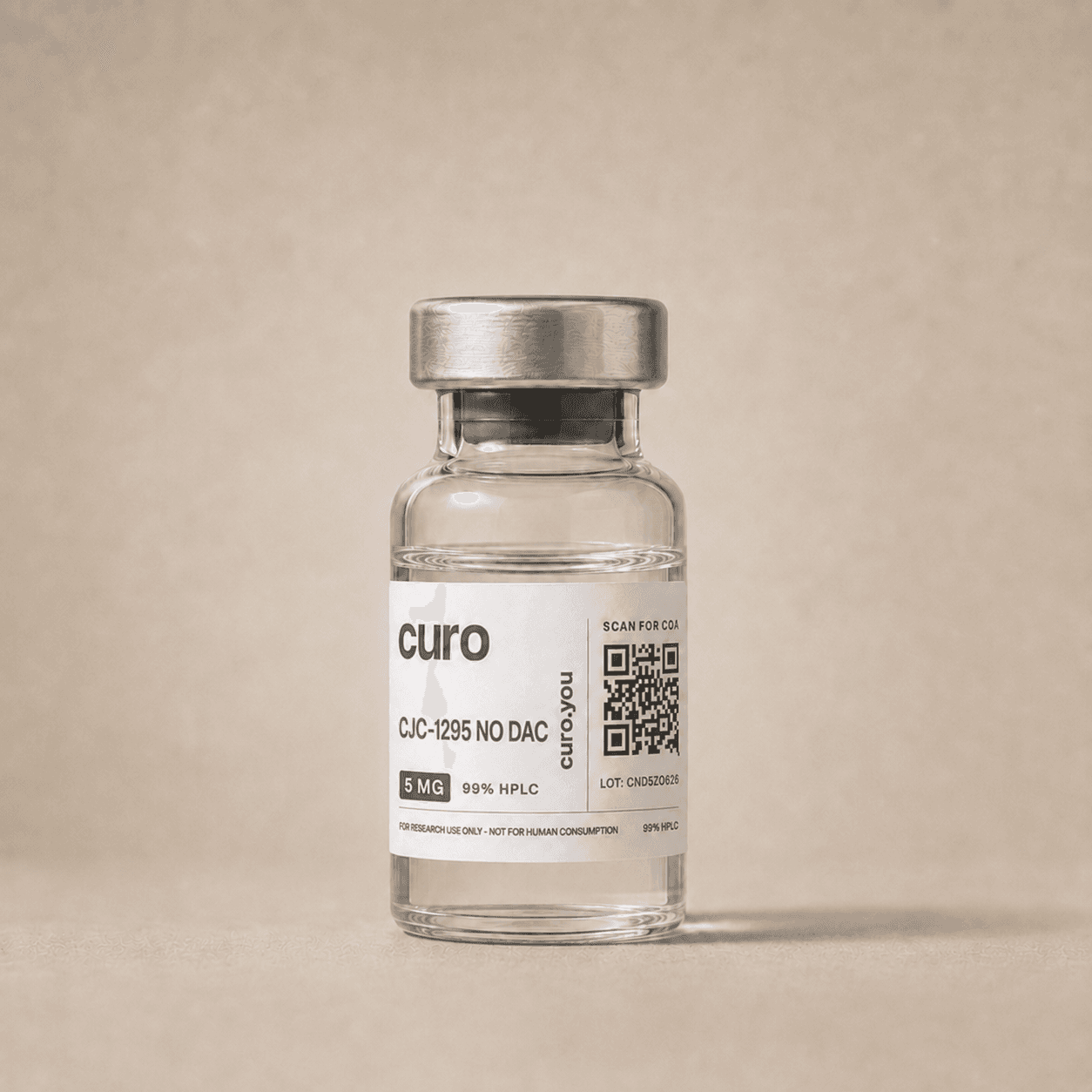
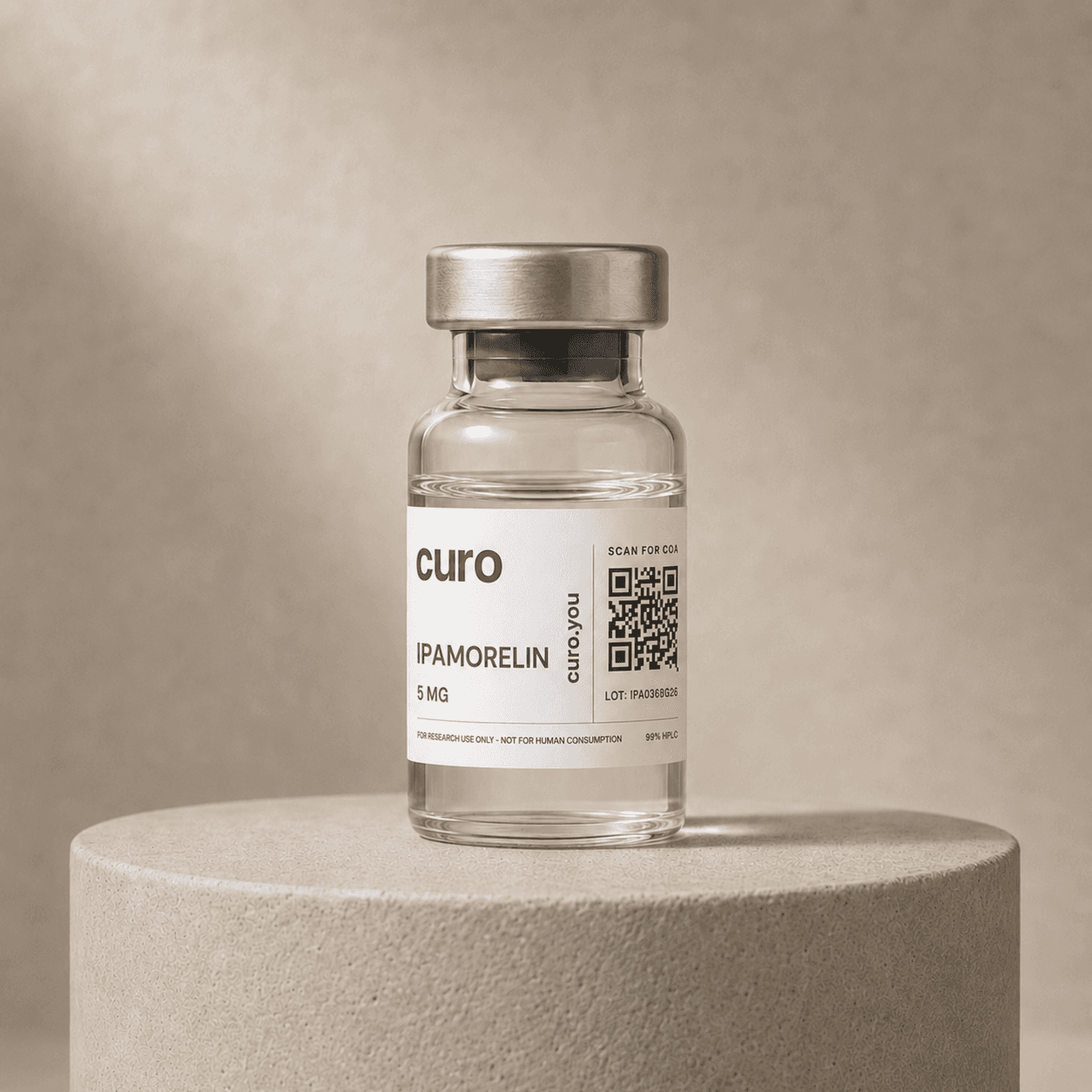
Metabolic & PerformanceCJC-1295 no DAC + Ipamorelin5mg + 5mg
$114
Save 17% | $24 offThis set includes one CJC-1295 no DAC compound and one Ipamorelin compound. Each compound is packaged separately and is not pre-mixed.
A GHRH-analog and selective-secretagogue pairing, studied together for a larger combined growth-hormone pulse than either compound produces alone.
For laboratory research use only. Not for human or animal consumption.
Research overview
This set pairs CJC-1295 no DAC, a short-acting GHRH analog, with Ipamorelin, a selective growth-hormone secretagogue. The two ship as separate products and are not pre-mixed. They reach the pituitary through different receptors: CJC-1295 no DAC signals along the GHRH pathway, while Ipamorelin works through the ghrelin-receptor pathway. Research interest in combining them centers on that separation, since the two signals converge on the same growth-hormone-releasing cells from independent directions.
Because the pathways are distinct rather than overlapping, controlled studies of GHRH-plus-secretagogue pairings have generally reported a combined growth-hormone pulse greater than either compound produces on its own, though not every study has reproduced the effect. Research centers on growth-hormone and downstream IGF-1 signaling, with the short-acting GHRH component preserving a more pulse-style profile and the selective secretagogue adding a clean release without meaningfully raising cortisol or prolactin. It is commonly studied in growth-hormone-axis models and in recovery, sleep, and body-composition research.
Dedicated controlled data on this specific pairing remains limited, and much of the supporting evidence comes from earlier GHRH-and-secretagogue literature and from animal and laboratory work. That keeps both compounds investigational and distinct from approved therapies. Neither is FDA-approved.
Storage quick reference
Protect from light. Keep all vials and bacteriostatic water away from direct sunlight and minimize other light exposure.